Why Healthcare Is So Expensive in the United States: A Structural Analysis
This may be one of the most common questions asked when healthcare is discussed on a global platform. Whilst developed countries spend a lot of money on infrastructure and healthcare facilities, the affordability, however, still remains a primary question.
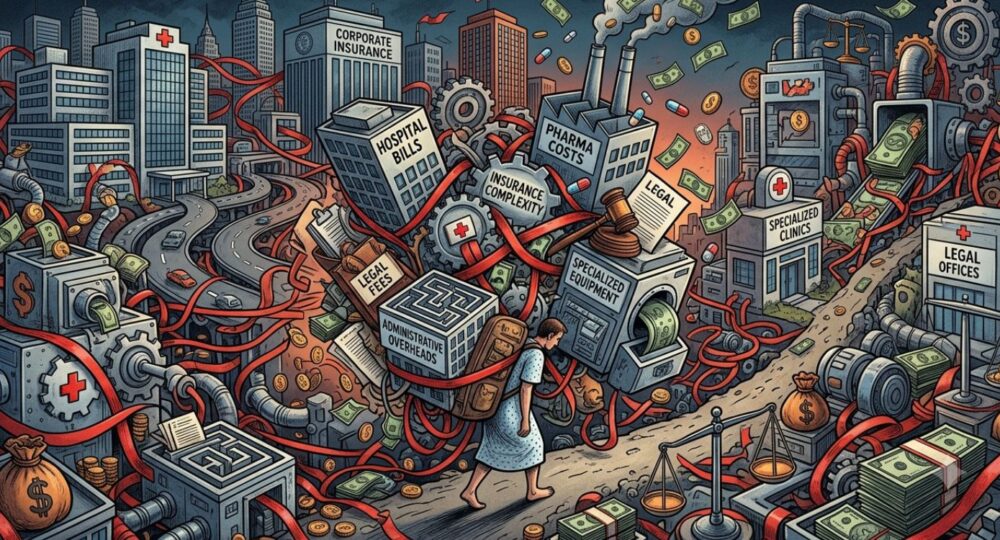
The United States spends more on healthcare than any other country, with total expenditure reaching approximately $5.3 trillion annually and accounting for nearly 18% of its GDP. This cost burden arises from a complex interaction of structural, economic, and policy-driven elements.
One of the biggest contributors towards high healthcare costs in the United States is the price of individual services rather than how often they are used. Americans do not necessarily consume more healthcare, instead, each consultation, procedure, or medication is significantly charged more.
This is largely due to limited price regulation, as costs are often negotiated between private insurers and healthcare providers rather than set by a central authority. Large hospital systems and physician networks also hold strong bargaining power, enabling them to demand higher reimbursements.
At the same time, ongoing consolidation within the healthcare sector has reduced competition, leaving fewer alternatives for patients and insurers.
Additionally, chronic diseases are prominently prevalent which raises sustained expenditure, with nearly 90% of healthcare spending linked to long-term conditions such as diabetes and cardiovascular disease. Technological innovation, while improving outcomes, often introduces high-cost treatments that expand rather than replace existing care pathways.
However, The United States does not have a single, unified healthcare scheme exclusively for homeless individuals, but several public programs provide essential coverage. Medicaid serves as the primary source of healthcare for low-income populations, including many experiencing homelessness, while federally funded initiatives such as the Health Care for the Homeless Program deliver targeted services through community clinics, mobile units, and outreach efforts. Additionally, emergency care is ensured under the Emergency Medical Treatment and Labor Act (EMTALA), which mandates treatment regardless of a patient’s ability to pay. Despite these measures, access remains inconsistent due to administrative, logistical, and systemic barriers.