HPV Vaccine: Uses, Benefits, and Limitations: A Critical Perspective
Vaccinations have evolved significantly across borders. Despite their established role in public health, they continue to remain one of the most debated topics, particularly regarding their necessity in children. Many parents hesitate to vaccinate their children at a very young age, often due to concerns about potential side effects and a perceived lack of transparency about what is being administered into their children’s bodies.
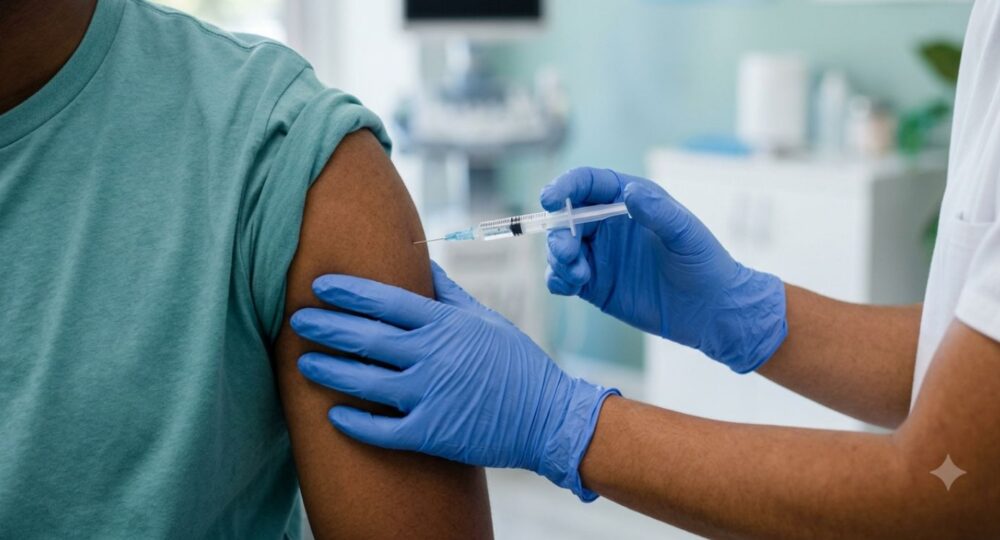
One such vaccination is the The Human Papillomavirus (HPV) vaccine is designed to protect against high-risk HPV strains associated with cervical cancer, as well as other anogenital and oropharyngeal cancers. It is primarily administered to adolescents before the onset of sexual activity, although catch-up vaccination is recommended in certain age groups.
From a public health standpoint, the vaccine has demonstrated significant benefits. It reduces the incidence of precancerous cervical lesions and has contributed to declining HPV infection rates in populations with high coverage.
However, several limitations warrant consideration. The vaccine does not cover all oncogenic HPV strains. Its effectiveness is also reduced in individuals already exposed to HPV, limiting its impact when administered later in life.
There are also ongoing discussions around duration of immunity and the need for booster doses, though current evidence suggests sustained protection. Overall, while the HPV vaccine is a significant preventive tool, it is not a standalone solution and must be integrated within broader screening and public health frameworks.